Sara Caballero Bruno
Dedicated and hard-working Graphics Programmer, interested in technologies, rendering and computer graphics. Currently workng in Hello Games
Dedicated and hard-working Graphics Programmer, interested in technologies, rendering and computer graphics. Currently workng in Hello Games
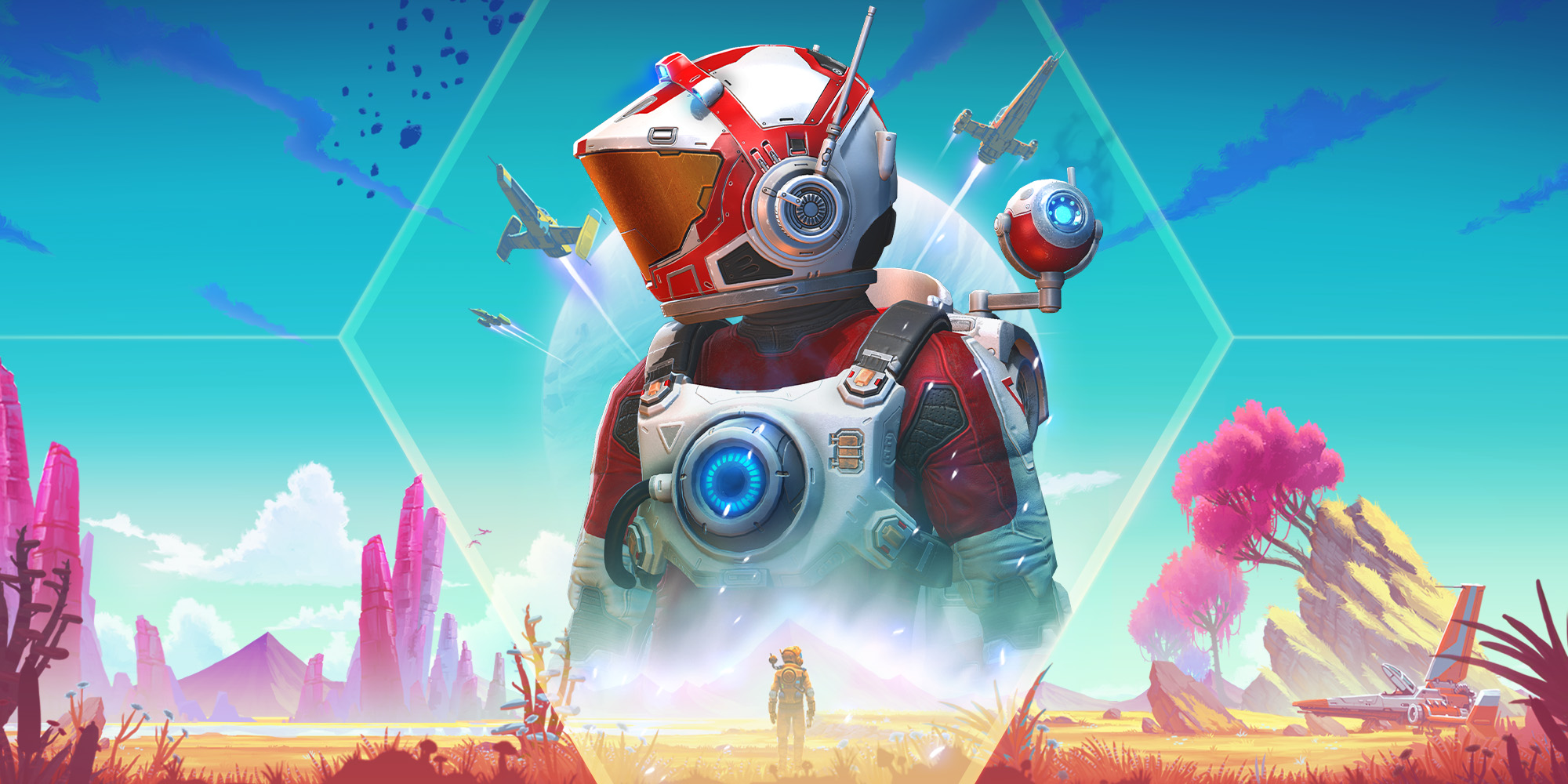
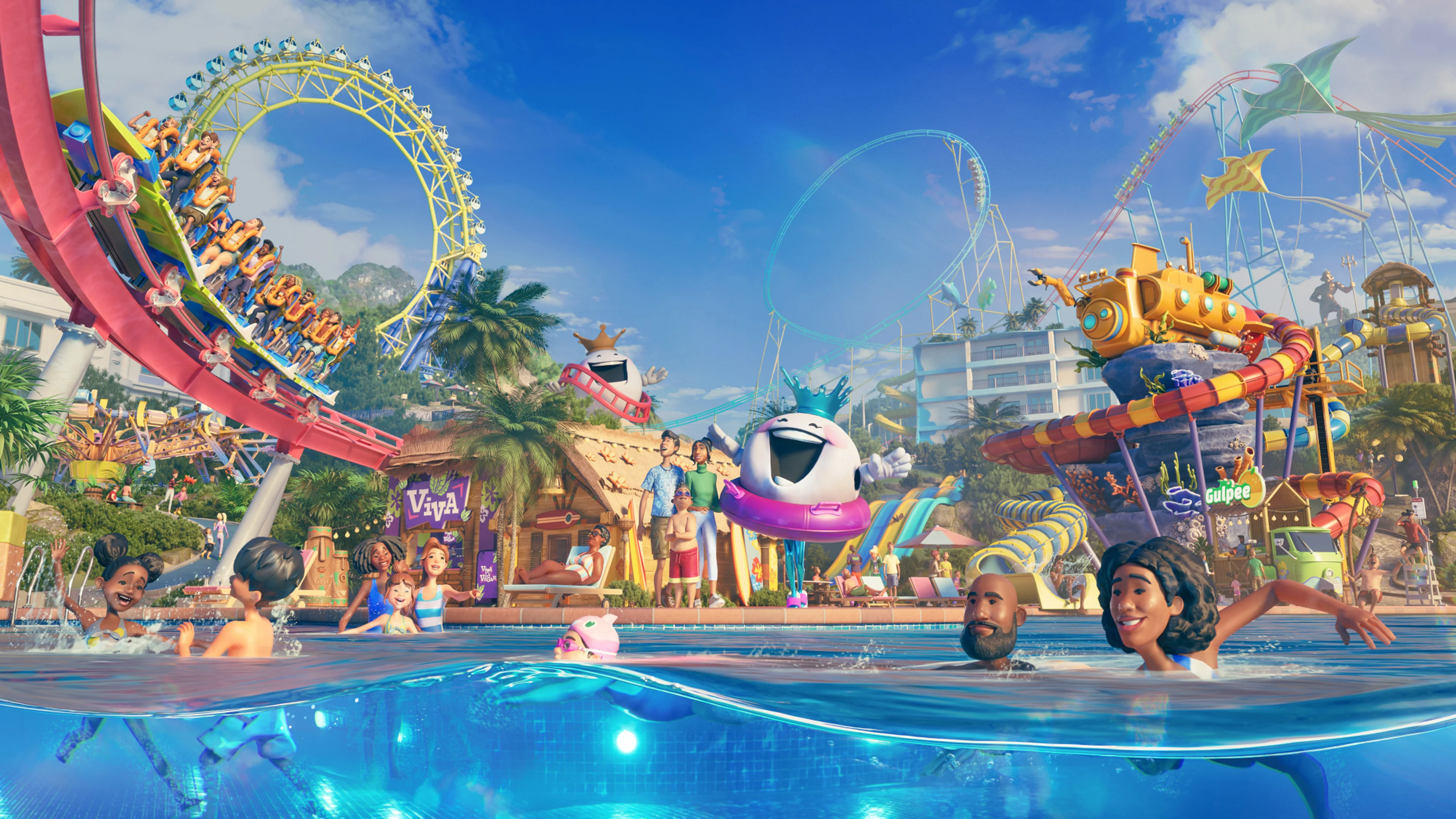
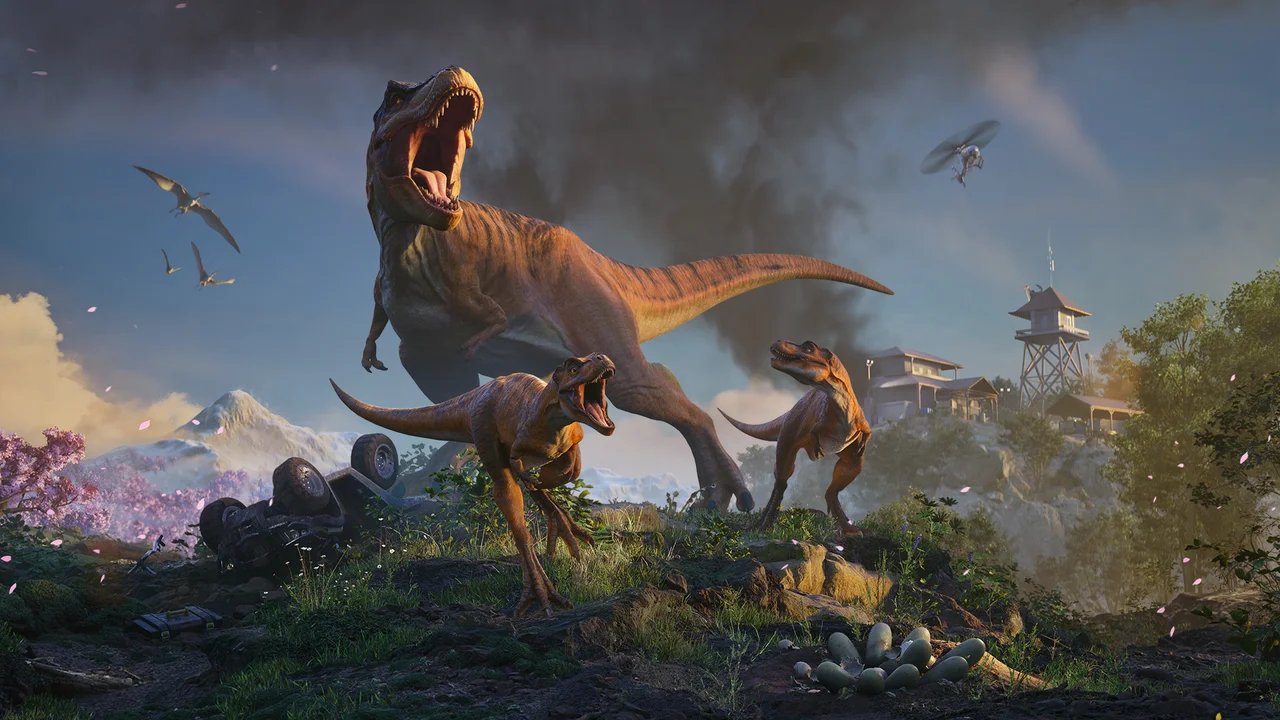
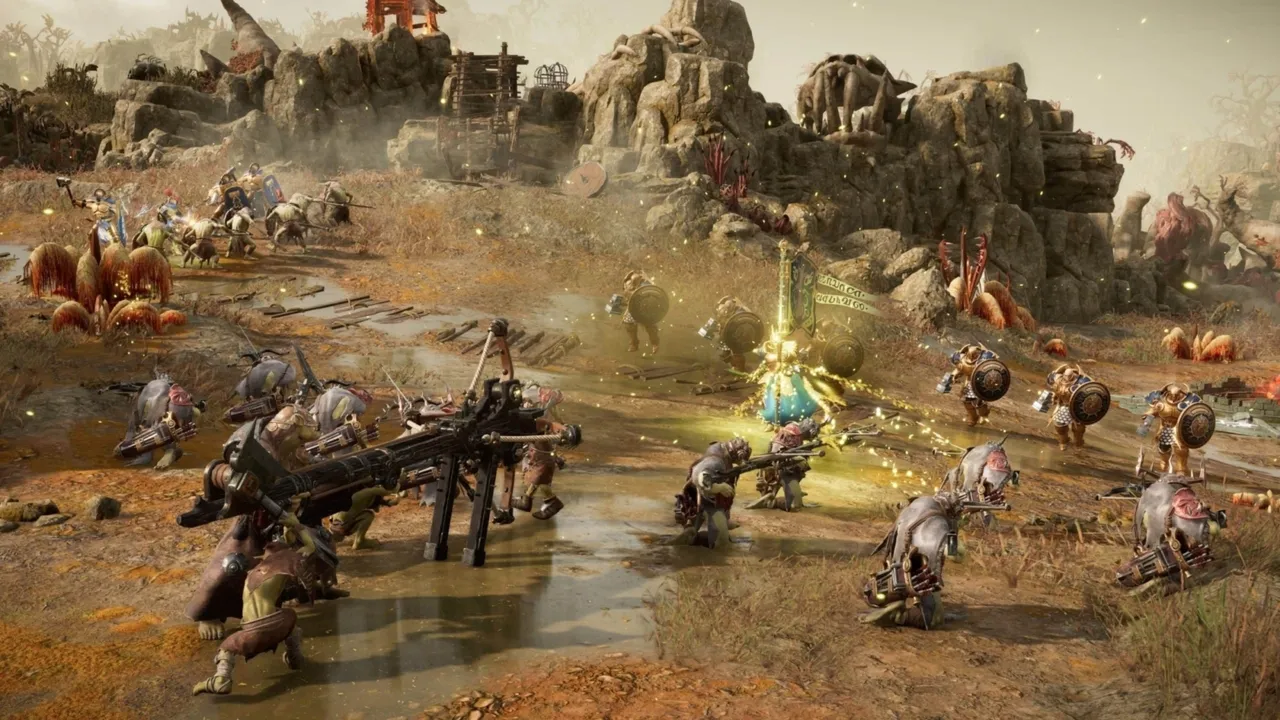
Core member of the engine team specializing in graphics and real-time rendering, leading the design and development of VFX systems
Contributing to and extended core rendering systems, including mesh rendering, lighting, shadows, texturing.
Proactively profiled and optimized rendering features and implemented features such as multicolour materials. Additional roles involve researching and experimenting new techniques, and developing internal tools, for example to visualise for wind direction and vertex density per pixel.
Delivered key graphics features such as Screen Space Shadows, Dynamic Wind for foliage, and mesh-based particle systems.
ontributed to the engine rendering team
Working in fixing bugs, adding features, improving performance in the games researching new technologies and projects. Worked in common rendering techniques such as mesh renderers, shadows, lighting, textures, raytracing, anti-aliasing, motion blur etc. Work also on overall project maintenance which involves refactoring, profiling and restructure projects.
Workng with C++, lua. Working heavily with fragment, vertex and compute shaders, which are written in HLSL.
Worked on the 3D Visualization API project an API for the creation of graphic scenes that can be integrated into Liquid Galaxy.
Liquid Galaxy is a view format allows third parties to easily apply common features in Computer Graphics directly to a Liquid Galaxyformat, a multi-screen display cluster launching instances of Chromium OS in each machine. This would include really commonly used properties in graphics, modelling a geometric object,applying lightning, animation, shaders and even textures.
During this timeDeveloped my technical skills and self organisation. In this internship I worked with Nodejs
Worked in the Derivatives Funding Margin Renovation team.
I was assigned a project about Environment Regression Improvement.
The aim of this project was to automate and allow the process of deploying to a different environment (in this internship the four environments were dev, qa, uat and prod) to be more scalable and beingable to run it end-to-end to test that there is no fixture needed in other environments and therefore avoid regression.
Developed my technical skills and team working. In this internship I worked in an Agileworkflow.
Worked with the STORM Team, a university Research team which focuses on computer graphics.
Developed a web tool based on the published paper in the University of Toulous, "Constrained Palette Space Exploration", and it was created using WebGL.
This project creates an automatic triad colour palette from a given colour thatthe user chooses. In this project there are two modes depending on how the other two coloursare found, geometrically or by numerical optimization.
Graduated with First Class with Distinction. Overall of 76.6/100.
Modules: Final project(69/100), Machine Learning for Visual Computing(92/100), Machine Vision(61.16/100), Robot Vision and Navigation(84.01/100), Information Processing in Medical Imaging(82/100), Acquisition and Processing of 3D Geometry(90.5/100), Computational Modelling for Biomedical Imaging(66.05/100), Virtual Environments(78.2/100), Computer Graphics(89.29/100).
Graduated with First Class with Honours. Overall of 75.15/100
Third Year year achieved First Class. Overall of 80.55/100.
Third Year Modules: Third Year Project Laboratory(77/100), AI and Games(80.5/100), Advanced Computer Graphics(93/100), Computer Vision(98/100), Cryptography & Network Security(65/100).
Second Year year achieved First Class. Overall of 72.83/100.
Second Year Modules: Processors Microarchitecture(64/100), Microcontrollers(78/100), Databases(82/100), Software Engineering(79/100), Machine Learning(74/100), System Architecture(64/100), Algorithms and Imperative Programming(80/100), Computer Graphics(80/100), Mobile Systems(71/100), Operating Systems(47/100).
First year achieved First Class. Overall of 83.2/100.
First Year Modules: Mathematical Techniques for Computer Science(79/100), Computation(75/100), Computer Engineering(85/100), Artificial Intelligence(92/100), Computer Architecture(79/100), Object Oriented Programming(85/100), Distributed Systems(90/100).
Double Diploma in Spanish and French Secondary School. Achieved Marks with Honours
Overall of 9.85/10, Computer Science: 10/10, Maths: 10/10, Physics: 10/10, Technical Drawing: 10/10.
Spanish PAU: Physics: 10/10, Technical Drawing: 9.9/10.
September 2021
This work presents a proof of concept for the paper "Learning a Neural 3D Texture Space from 2D Exemplars" in which a model was presented to learn how to retrieve texture parameters from real-world texture pictures. In particular, this project includes designing a real-time rendering environment that can be used to generate an appropriate texture and to paint a shape with that texture. In addition, this project includes the optimisation of the original model presented in the aforementioned paper.
March 2020
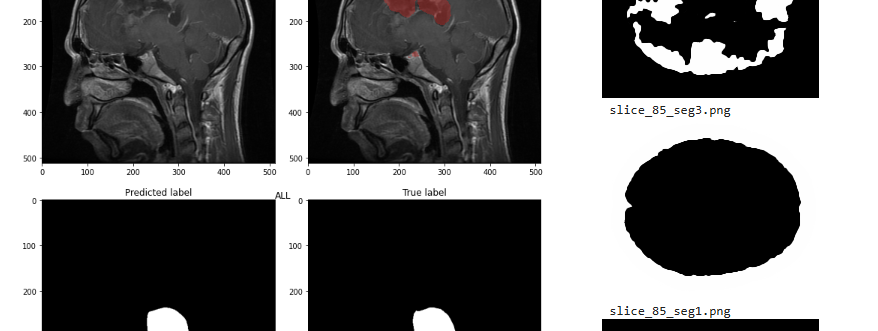
Applying Machine Vision model techniques to analyse medical imaging. There are 2 parts of this project: Brain Tissue Segmentation, where I segment 2D brain images using a Gaussian Mixture Model and the Expectation-Maximisation algorithm; and Brain Tumours Segmentation using U-Nets, this includes loading data, designing U-Nets and evaluating performance
December 2020
This is a asymmetric collaborative VR game were players. Two players start the game looking down at a maze on a table. One player can shrink down to enter said maze. However, this is no regular maze. The outside player must dynamically manipulate the maze in tandem with the inside player to help them traverse it. It is created with Unity.
December 2020
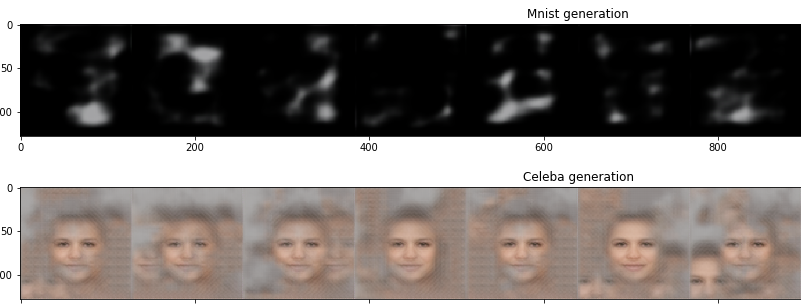
This project covers the evolution of image manipulation: starting with manual 1D/2D filtering, moving to supervised denoising with encoder-decoders, and concluding with stochastic generation using VAEs. Includes performance benchmarks between ADAM/SGD optimizers and perceptual loss tuning.
September 2020
The goal for this project is to create a software library that can be integrated in Liquid Galaxy, that allows third parties to easily apply common features in Computer Graphics directly to a Liquid Galaxy format, a multi screen display cluster launching instances of Chromium OS in each machine.
March 2020
3D Water simulation, it simulates particles of water that flow in a cube, using javascript. The website allows the user to change the scene, so that it shows the simulation in different behaviours, like if the particles start all on top or if they are streaming. This is a GPU-based simulation using shaders.
December 2019
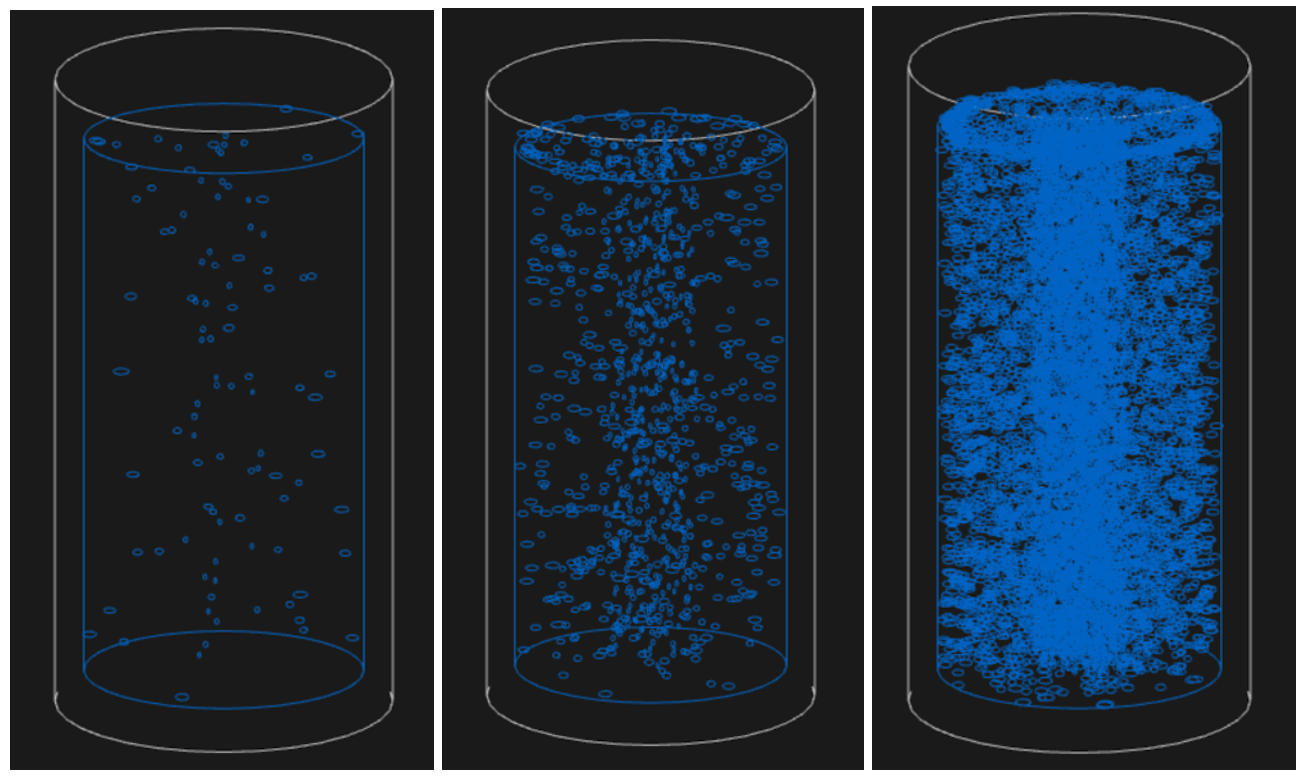
3D Bubbles simulation, it simulates bubbles in a drink inside a glass, such as in a soda or in a fizzy drink, using WebGL. The website allows the user to change some of the parameters of the simulation. This is a GPU-based simulation using shaders.
Computer Graphics, Vision and Imaging course representative. Participated in the annual Staff-Student committee representing the student body.
Led the University of Manchester's tech society, organizing hackathons and industry networking events.

Native Language

Advanced: CAE Advanced, C1.
Advanced: DALF C1. Finished Baccaulérat

Intermediate: Currently studying B2 level